Blog
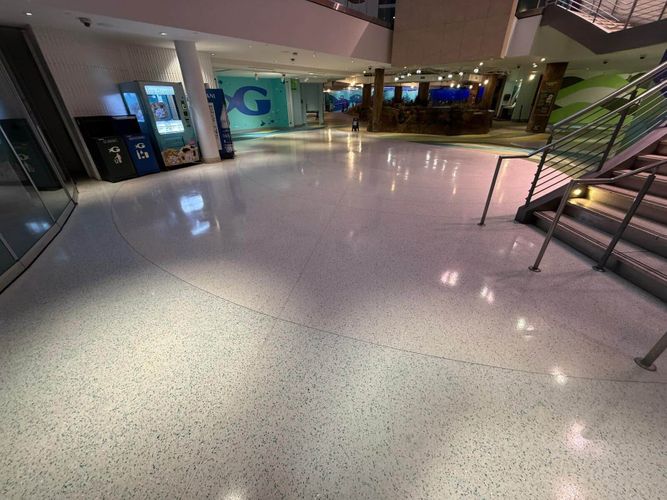
Why Non-Stripping Floor Maintenance Matters
Modern facilities are expected to remain open, accessible, and visually consistent with fewer resources and less tolerance for disruption. While routine floor cleaning is generally predictable, long-term floor maintenance often creates operational challenges that are harder to absorb.
In many cases, the issue is not the floor itself but the maintenance model being used. Traditional stripping-based programs were designed for environments where extended downtime was acceptable and the floor care products available required periodic removal. In today’s facilities, these assumptions no longer hold true.
Non-stripping floor maintenance is now not only possible but preferable and is increasingly important as organizations seek to preserve appearance without disrupting daily operations.
more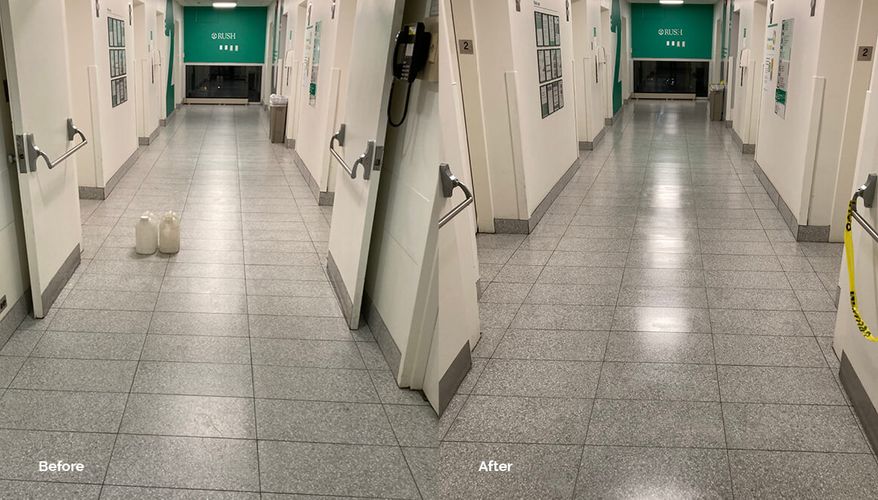
How to Reduce Hard Surface Floor Care Labor Without Sacrificing Appearance
Facility teams are under pressure to reduce floor care labor without allowing appearance standards to slip. Staffing levels remain tight, square footage per technician continues to increase, and labor costs are absorbing a larger share of operating budgets. At the same time, expectations around clean, consistent floors have not changed.
The challenge is not whether floors will be maintained. The question is how to reduce hard surface floor care labor while maintaining a quality appearance across large portfolios of LVT, VCT, terrazzo, concrete, and other hard surfaces.
The answer increasingly comes down to system design rather than individual tasks.
more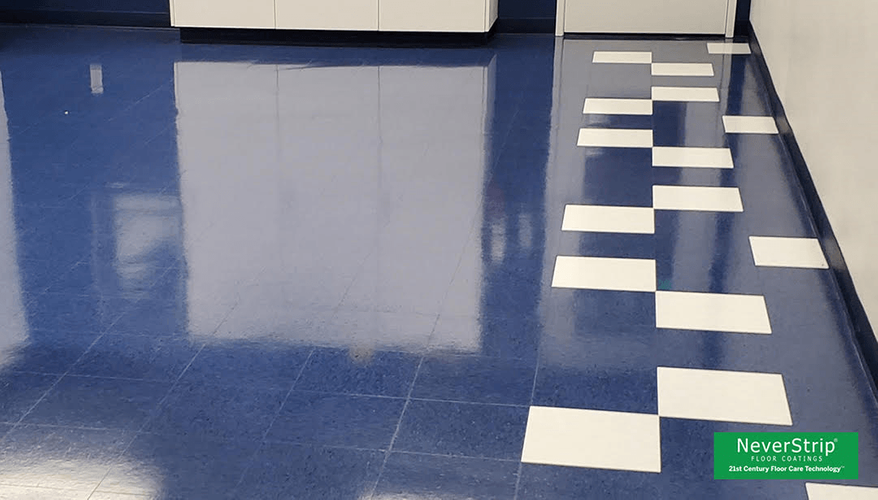
What Are Micron Sealers and How Do They Work in Modern Floor Care
Commercial floor care is under pressure. Facilities are managing more square footage with fewer maintenance staff, while operational disruption from traditional strip-and-recoat programs creates scheduling challenges, chemical exposure concerns, and rising labor costs. Micron Sealer systems represent a different approach, one built around refreshable, non-stripping floor protection designed for the realities of modern facility maintenance.
This blog explains what Micron Sealers are, how they work, how they differ from traditional floor-finish systems, and why more facilities are moving toward modern floor-protection programs.
more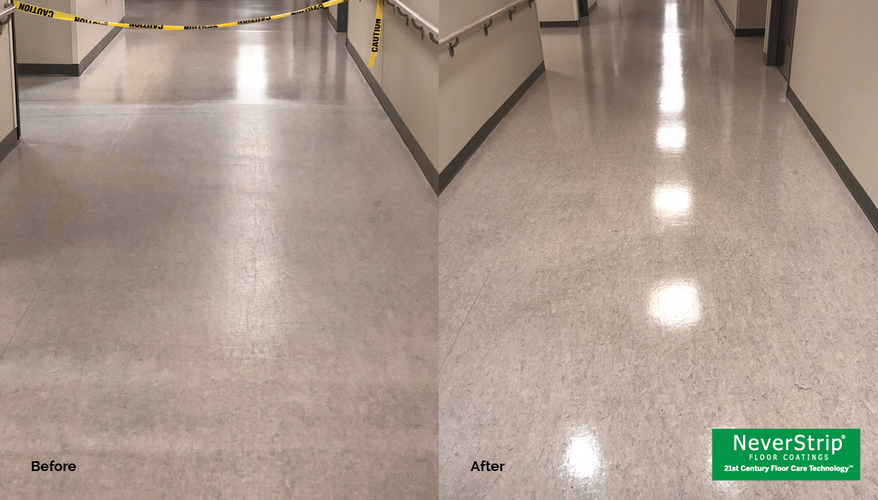
Eco-Friendly Floor Care Without Stripping: What Facility Managers Need to Know
Sustainability in commercial buildings has moved from aspiration to measurable performance. Commercial facility managers, building operations teams, and environmental services departments are being asked more detailed questions about their maintenance programs:
How much chemical volume is used annually on floors?
How much wastewater is generated through stripping processes?
How much labor is tied to recurring, periodic intensive projects?
What is the five- to ten-year lifecycle cost of a stripping based the floor care system?
Traditional strip-and-recoat programs remain one of the most chemically intensive and labor-demanding components of facility maintenance. As ESG reporting, budget scrutiny, and labor shortages continue to shape operations, many commercial facilities are reassessing whether routine stripping is still necessary.
This blog explains what non-stripping floor protection means, how Micron Sealer systems function, and why commercial facility managers are evaluating strip-less alternatives as part of 21st Century Floor Care.
more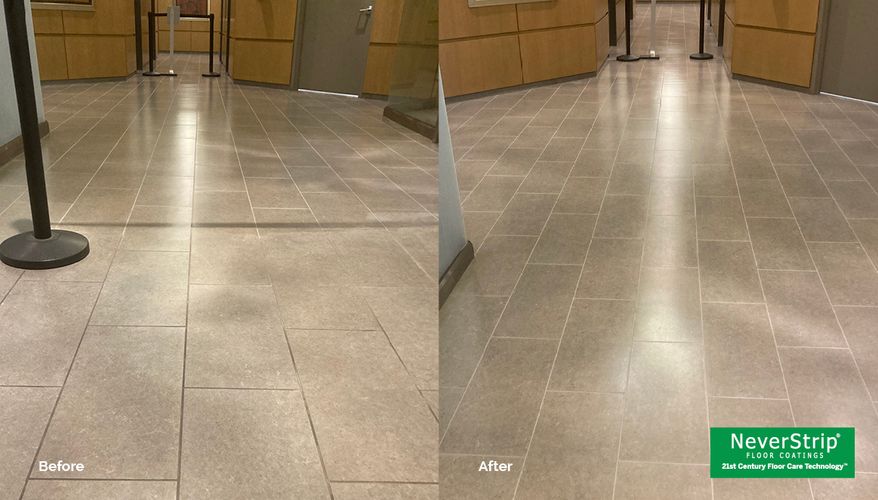
How Micron Sealers Reduce Long-Term Maintenance Disruptions
Floor maintenance disruptions are a common challenge in occupied commercial facilities. While daily cleaning is typically manageable, long-term floor protection programs often introduce downtime through stripping, extended cure times, and restricted access. In buildings that operate continuously, these disruptions affect schedules, labor planning, and occupant experience.
Micron Sealer systems were developed to address these challenges by supporting non-stripping floor protection. Instead of relying on stripping-based floor finish programs, Micron Sealers change how floors are maintained over time. The result is a maintenance model designed for occupied environments where consistent appearance and uninterrupted use matter.
more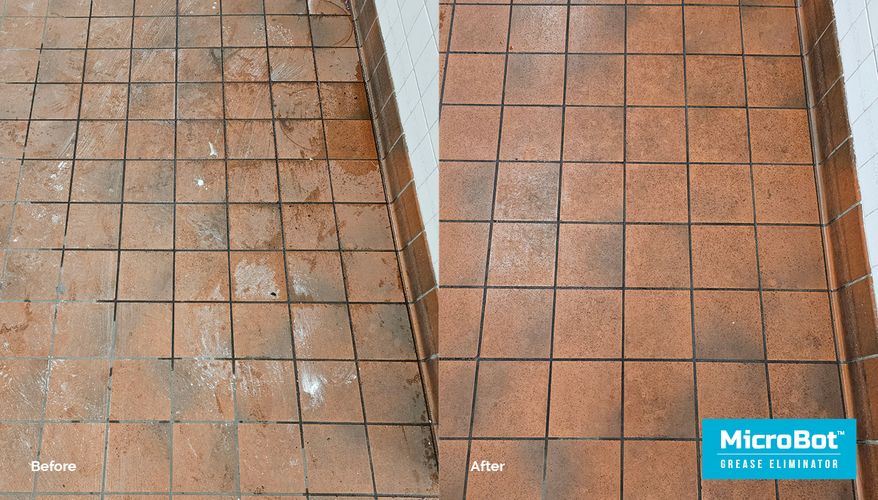
Microbot Grease Eliminator: How Microbial Cleaning Works in Modern Facility Maintenance
Facilities today face a persistent challenge: grease, organic soils, and odors that return even after regular cleaning. Traditional degreasers and disinfectants often remove soils from the surface, but they rarely address the underlying cause, organic residues embedded in grout lines, textured floors, and porous surfaces.
Microbial cleaning offers a different approach. Instead of relying solely on chemistry, products like Microbot Grease Eliminator use biological action to break down organic soils at their source. Understanding how this process works helps facility managers determine where microbial cleaners fit into modern maintenance programs.
more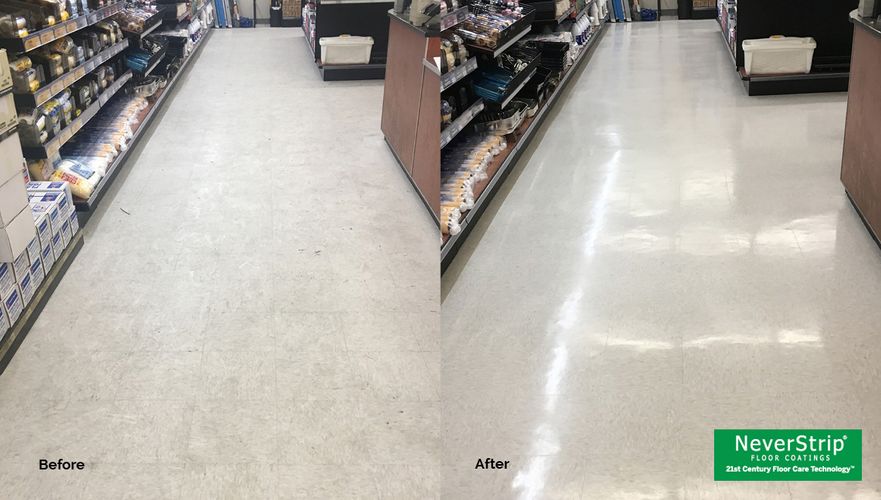
Why Refreshable LVT Floor Protection Matters More Than Factory-Applied UV-Cured Urethane Durability Alone
Luxury vinyl tile has become one of the most widely installed commercial flooring categories in the world. Each year, hundreds of millions to billions of square feet of LVT and similar resilient flooring products are manufactured and installed across healthcare, education, retail, corporate, and public environments.
Nearly all of this flooring enters the market with a factory-applied, UV-cured urethane coating. These coatings are designed to provide durability, abrasion resistance, and initial protection during early use.
From a manufacturing standpoint, this approach makes sense. From a long-term facility maintenance standpoint, experience in the field has shown that durability alone does not resolve how LVT floors actually age, wear, and look over time.
The issue is not that factory-applied urethane fails. The issue is that once appearance declines, there is no practical, repeatable way to refresh or restore that urethane in the field.
This gap has become one of the most significant and least addressed challenges in modern LVT floor care.
more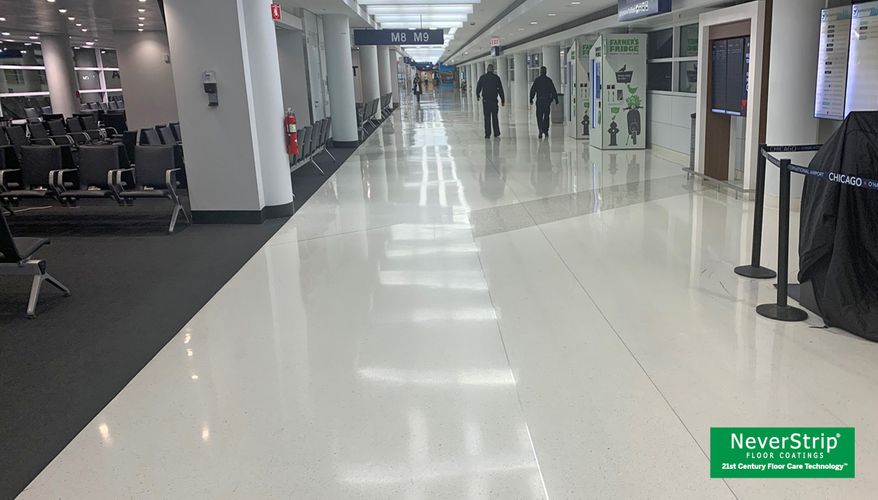
PFAS-Free Floor Care Products Explained
What Really Matters in Modern Floor Protection
Questions about PFAS are becoming more common in floor care conversations. Sometimes they come from procurement teams. Sometimes from sustainability groups. Sometimes, from leadership simply asking, “Is this something we need to be thinking about?”
For most facilities, the goal is not to chase trends or chemical terminology. The goal is to understand whether PFAS-free floor care products change how floors are protected, maintained, and managed over time.
This blog explains what PFAS-free means in the context of floor care, why it matters operationally, and how modern, non-stripping floor protection systems fit into the discussion.
more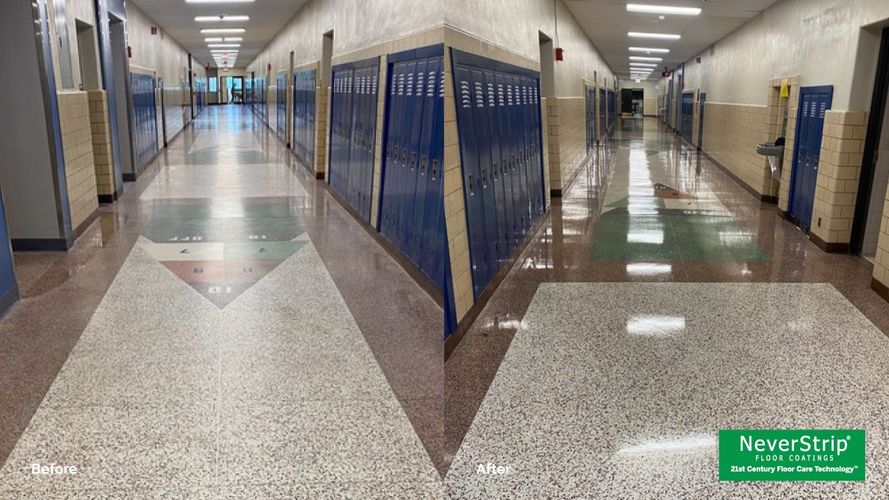
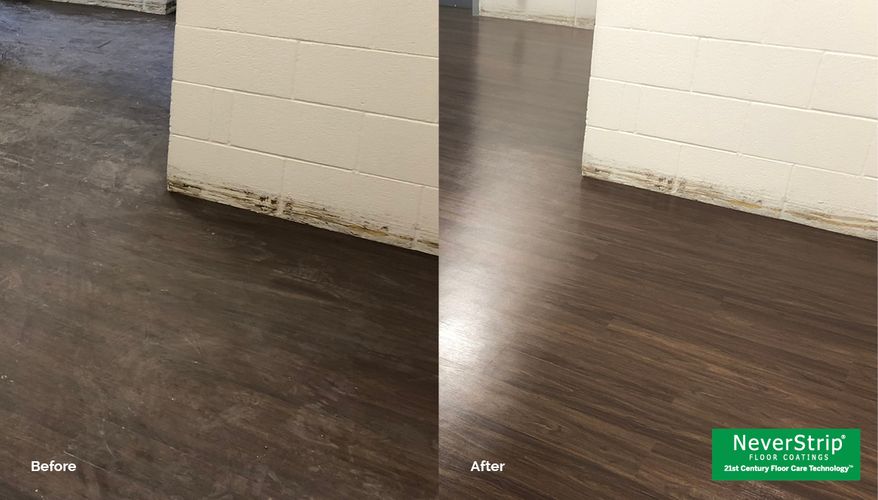
What Are NeverStrip Micron Sealers?
Understanding 21st Century Floor Care and Advanced Floor Protection
In today’s commercial environments, floors are expected to do a lot of heavy lifting. Constant foot and cart traffic, often with 24/7 demands, tighter maintenance windows, and a lack of floor care labor have made traditional floor care and protection methods/practices harder to sustain.
Choosing the right floor care treatment is no longer just about adding stripping and applying new applications of a floor finish/wax.. It is about maintaining appearance, extending floor life, and simplifying ongoing care with less floor care labor.
NeverStrip Micron Sealers represent a 21st Century Floor Care technology and approach designed to protect all, non-carpet flooring surfaces while eliminating the need for stripping. But what exactly are Micron Sealers, how do they work, and why are more facilities moving in this direction?
In this blog, we’ll cover:
What Micron Sealers are
How they differ from traditional impregnators, floor finishes and coatings
Why durable and refreshable protection matters today