
Blogs
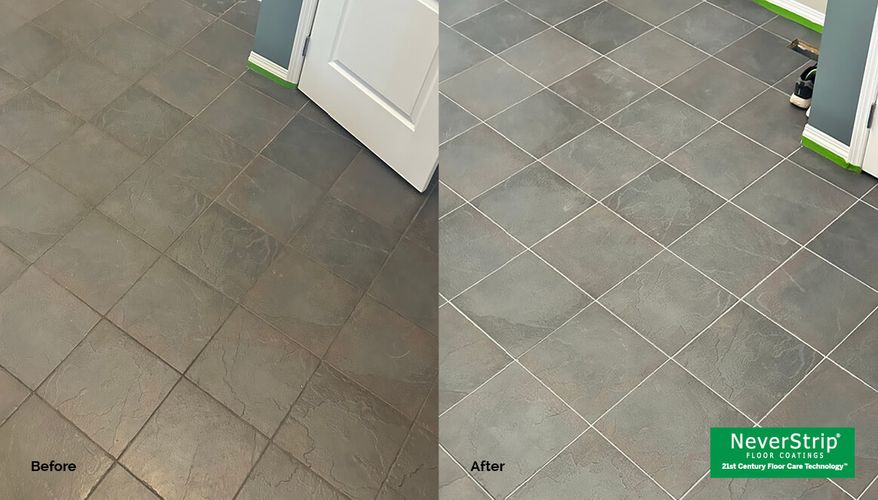
How to Clean Deeply Textured Porcelain and Ceramic Tile and Keep It Clean
Deeply textured porcelain and ceramic tile are practical choices for many commercial environments. They are durable, available in a wide range of finishes and commonly used in entrances, restrooms, locker rooms, kitchens, pool areas and other demanding spaces.
more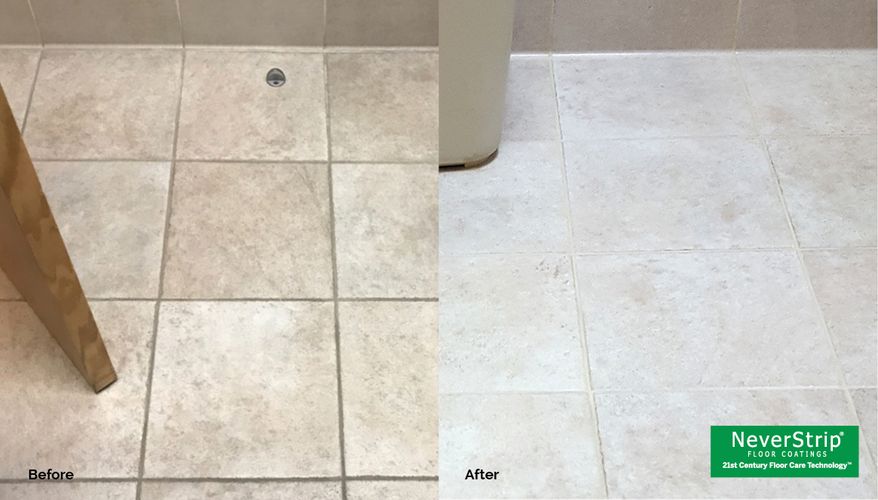
Beyond Clean: A Better, 21st Century Approach to Restroom Maintenance and Odor Control
In schools, healthcare facilities and long-term care communities, restrooms are often cleaned several times a day and still look stained or smell stale by the afternoon. The problem usually isn't the cleaning. It's the grout, the aging surfaces and a maintenance routine that was never built to fix them. This five-step approach shows how to restore, protect and control odor so the results actually last.
more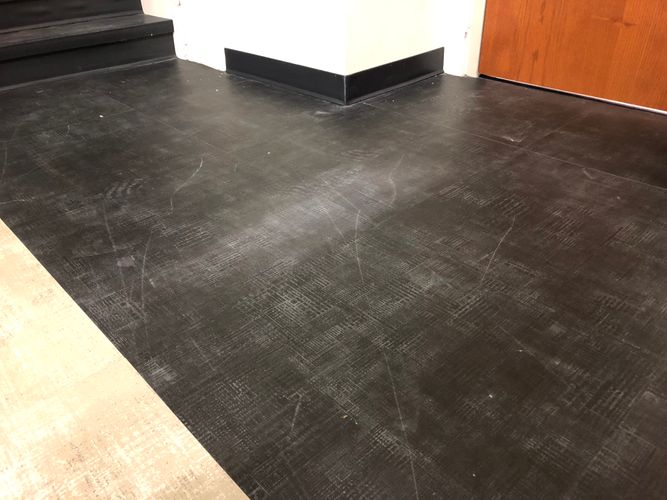
Does a Worn Commercial Resilient Floor Really Need to Be Replaced?
A worn commercial resilient floor doesn’t always need to be replaced. Learn what to evaluate before making that decision, when restoration may be an option, and why refreshability matters for long-term floor performance.
more
What Is PFAS, Why the Industry Is Moving Away From It, and How NeverStrip Has Always Been PFAS-Free
There's a common assumption in facility and procurement conversations right now: PFAS-free is the safer, more compliant choice, but it probably performs a step below the products it's replacing. To understand why that assumption exists, and why it doesn't hold up against current performance data, it helps to start with what PFAS actually is.
more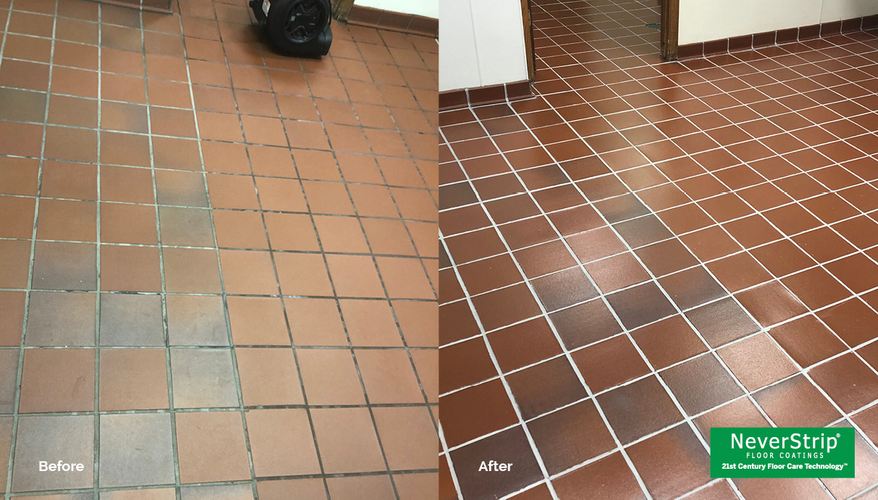
What Contractors Gain from Micron Sealer Systems
Most of what gets written about non-stripping floor protection is aimed at facility managers. Contractors read it differently. The questions aren't about lifecycle cost or sustainability reporting. They're about the job itself: how long does this take, how many coats, what happens if it goes wrong, and will the client call back in three months with a complaint?
Micron Sealer systems change the answer to all four, and they change the business model question contractors ask most often too.
more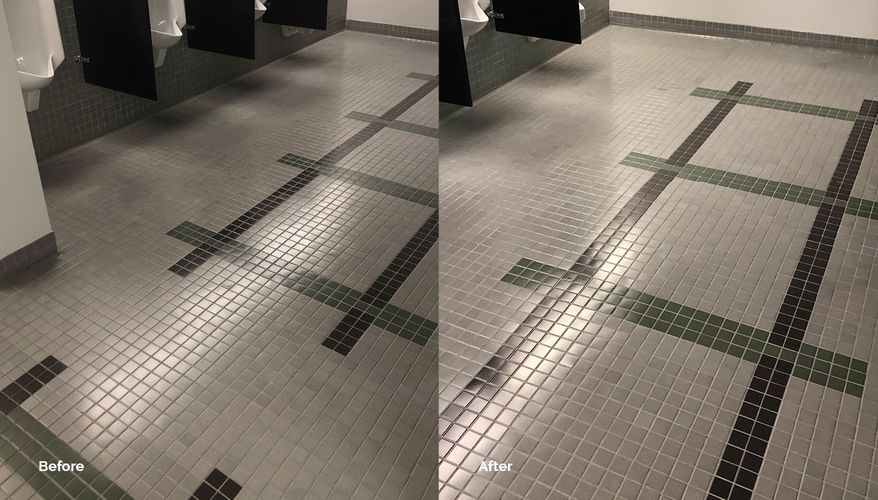
Why Odors Keep Coming Back (And What Actually Stops Them)
Walk into a gym locker room, a hospital corridor, a school restroom, or a hotel lobby. You know within a few seconds whether it smells like it should.
Most of the time, it does not.
This doesn't necessarily mean the facility is not being cleaned, but likely they are not using the best product for the job. The products being used to control odors in most commercial facilities are doing one of two things: masking odors with fragrance or moving surface contamination around without addressing what is embedded underneath. Within hours, or by the next morning, the odor is back.
NeverStrip Shield works differently. It destroys odor compounds continuously, on virtually every hard and soft surface in a facility, without changing how any of those surfaces look or feel.
more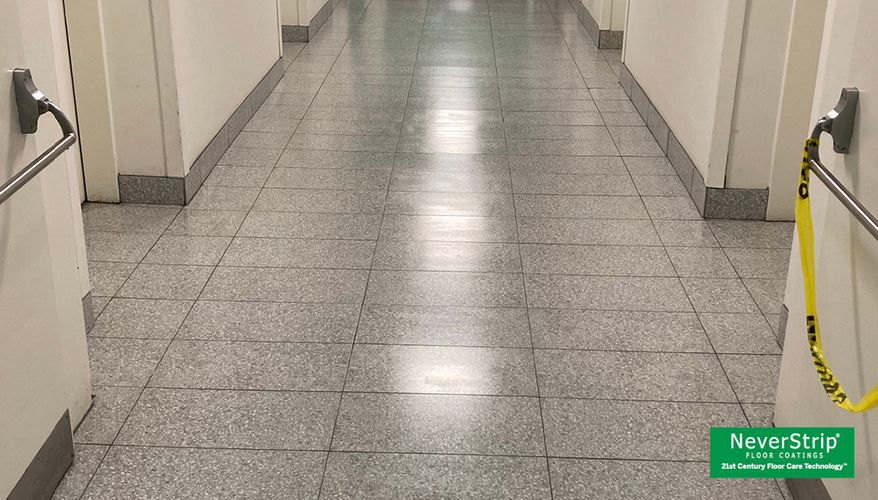
The Summer Floor Maintenance Window Is Gone. Here’s What That Means for Schools.
Summer is coming. The window is short. The crew is lean. And somewhere near the top of the maintenance list, probably right near the top, is stripping.
It’s always stripping.
For years, the education facility calendar had a reliable rhythm. School ends in June, the custodial team fans out across the building, and the floors get the full treatment. Strip, recoat, buff, repeat. There was enough time to do it right, let it dry, and have the place looking sharp before September.
That rhythm is harder to count on now.
more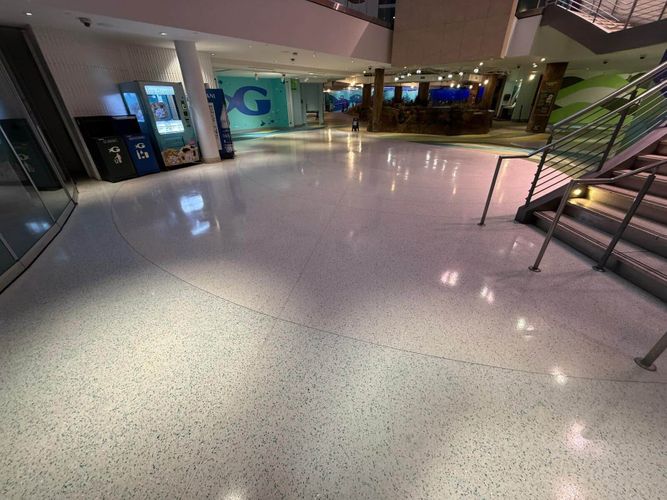
Why Non-Stripping Floor Maintenance Matters
Modern facilities are expected to remain open, accessible, and visually consistent with fewer resources and less tolerance for disruption. While routine floor cleaning is generally predictable, long-term floor maintenance often creates operational challenges that are harder to absorb.
In many cases, the issue is not the floor itself but the maintenance model being used. Traditional stripping-based programs were designed for environments where extended downtime was acceptable and the floor care products available required periodic removal. In today’s facilities, these assumptions no longer hold true.
Non-stripping floor maintenance is now not only possible but preferable and is increasingly important as organizations seek to preserve appearance without disrupting daily operations.
more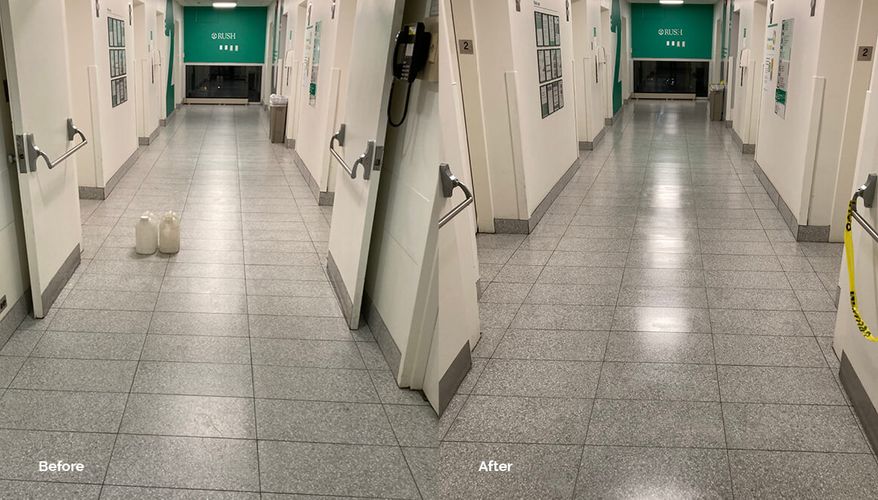
How to Reduce Hard Surface Floor Care Labor Without Sacrificing Appearance
Facility teams are under pressure to reduce floor care labor without allowing appearance standards to slip. Staffing levels remain tight, square footage per technician continues to increase, and labor costs are absorbing a larger share of operating budgets. At the same time, expectations around clean, consistent floors have not changed.
The challenge is not whether floors will be maintained. The question is how to reduce hard surface floor care labor while maintaining a quality appearance across large portfolios of LVT, VCT, terrazzo, concrete, and other hard surfaces.
The answer increasingly comes down to system design rather than individual tasks.
more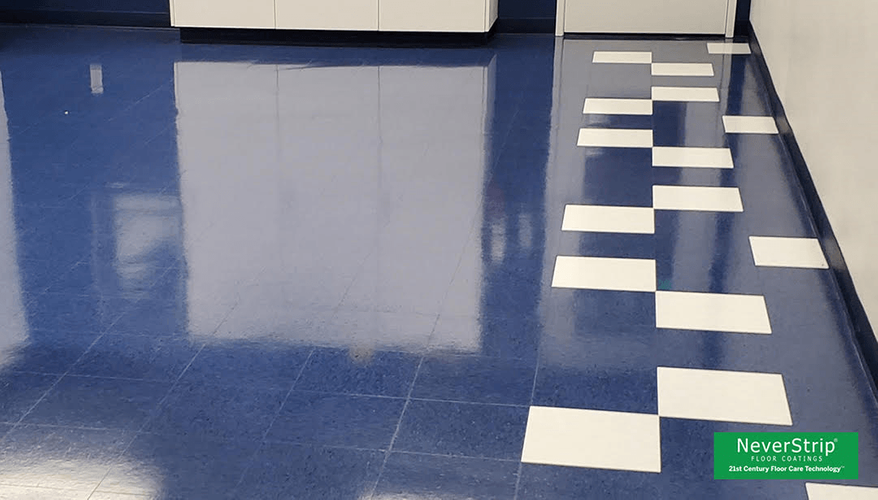
What Are Micron Sealers and How Do They Work in Modern Floor Care
Commercial floor care is under pressure. Facilities are managing more square footage with fewer maintenance staff, while operational disruption from traditional strip-and-recoat programs creates scheduling challenges, chemical exposure concerns, and rising labor costs. Micron Sealer systems represent a different approach, one built around refreshable, non-stripping floor protection designed for the realities of modern facility maintenance.
This blog explains what Micron Sealers are, how they work, how they differ from traditional floor-finish systems, and why more facilities are moving toward modern floor-protection programs.
more